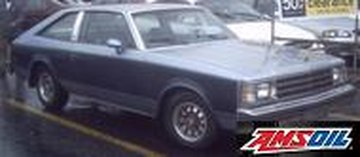
Lubrication Maintenance for the 1981 Buick CENTURY 3.8L
Maintaining the engine lubrication system in a vehicle like the 1981 Buick CENTURY with its 3.8L engine requires consistent attention to fluid condition and component integrity. Proper lubrication is fundamental to managing the internal friction and thermal loads generated during operation. For owners of this era of vehicle, staying proactive with inspections can help identify potential issues before they escalate into more significant mechanical concerns.
Monitoring Fluid Condition and Potential Leaks
One of the most effective ways to monitor the health of the lubrication system is through regular visual inspections. When checking the engine bay, look for any signs of fluid seepage or active leaks around various sealing surfaces. Even small amounts of oil appearing on the exterior of the engine block or near gaskets can indicate that a seal is beginning to age or lose its effectiveness.
It is also useful to observe the appearance of the oil itself. While oil naturally darkens over time due to use, significant changes in color or texture should be noted. If you notice an unusual odor or if the fluid appears excessively thick or contains visible particulates, these observations warrant further investigation. Such symptoms can have many different causes, ranging from extended service intervals to environmental factors, and a professional inspection is often necessary to determine the exact source of the change.
Observing Potential Warning Signs
Beyond visual leaks, there are several indicators that the lubrication system may require attention. Changes in how the engine operates can sometimes be linked to the condition of the oil or the effectiveness of the filtration process. For instance, if you notice changes in engine noise or unusual vibrations, it is wise to check the fluid levels and the overall quality of the lubricant.
If a warning light or indicator related to lubrication appears on the dashboard, this should be treated as a priority. Such indicators are designed to alert the operator to conditions that require immediate investigation. Additionally, any unexpected increase in how much oil the engine seems to use between service intervals is a sign that the system should be closely monitored. Always remember that a single symptom does not provide a definitive diagnosis; rather, it serves as a prompt to perform a more thorough check of the entire system.
Managing Age-Related Component Integrity
As vehicles age, various rubber and composite components naturally undergo changes in their physical properties. For a 1981 Buick CENTURY, this means that certain parts may become less resilient over time. When performing routine maintenance, it is practical to inspect accessible hoses and belts, if equipped, for signs of deterioration such as cracking, glazing, or fraying. While these components are not part of the oil itself, their condition is vital to the overall health of the engine environment.
Furthermore, inspecting electrical connections and wiring harnesses can prevent secondary issues. Corroded or loose connectors can sometimes lead to inaccurate sensor readings, which might provide misleading information about the engine's operating state. Taking a holistic approach to inspection—looking at both the fluids and the surrounding hardware—ensures that you are addressing the vehicle's needs based on its actual current condition.
Establishing a Maintenance Baseline
For many owners, especially those who have acquired a vehicle with an incomplete service history, establishing a maintenance baseline is a critical first step. If there are no clear records of when the oil or filters were last replaced, starting fresh with a documented service can provide a reliable starting point for all future maintenance decisions.
Keeping a detailed log of every oil change, filter replacement, and fluid inspection allows you to track patterns over time. This documentation makes it much easier to distinguish between normal aging and unexpected changes in the vehicle's behavior. By knowing exactly what has been done and when, you can prioritize tasks more effectively, focusing on addressing active concerns or overdue service rather than guessing at the engine's requirements.
Prioritizing Long-Term Engine Care
Effective long-term ownership involves moving away from a "one size fits all" approach and instead focusing on condition-based maintenance. Rather than assuming certain parts need replacement simply because of the vehicle's age, use your regular inspections to guide your priorities. If you observe a minor seepage that is not currently causing a significant drop in fluid levels, it may be something to monitor rather than an immediate reason for a major repair.
Conversely, if you notice a trend of increasing oil consumption or find that the oil is degrading faster than expected, these are clear signals to adjust your maintenance frequency or investigate potential causes. Addressing small issues—such as replacing a worn belt or fixing a minor leak—early on can prevent them from contributing to more complex mechanical problems down the road. This disciplined approach helps ensure the longevity of the 3.8L engine by maintaining a stable and clean operating environment.
Practical Advice for BUYING ENGINE OIL for your 1981 Buick CENTURY 3.8L
When it is time to replenish your engine's lubricant, the most important step is to ensure that the product you select matches the specific requirements of your application. To avoid errors, do not rely on general automotive knowledge or assumptions based on the vehicle's age; instead, match the engine oil to the application-specific viscosity information shown above on this page.
Before making a purchase, carefully review the product labeling to confirm it meets the necessary standards for your engine. Depending on your specific needs and the current condition of your engine, you may encounter various options, including conventional oils, synthetic blends, or full synthetic formulations. Some high-mileage oil formulations also contain additives intended for use in aging engines, which may be a consideration if you are managing older seals. Always verify that the oil's specifications align with the data provided in the application information for your 1981 Buick CENTURY to ensure proper protection and performance.